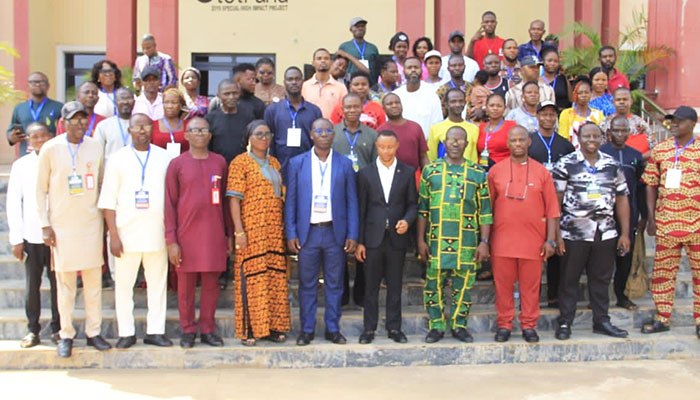
Department of Accountancy Alex Ekwueme Federal University Ndufu-Alike Ebonyi State (AE-FUNAI) has organised a one-day capacity-building and awareness workshop for small business owners operating in clusters, aimed at strengthening their entrepreneurial skills, improving financial management and promoting sustainable business growth.
The workshop featured presentations by two resource persons, Dr. Isaac Ikpor and Mr. Asochukwu Chigozie, who addressed critical aspects of small business management, including basic bookkeeping records and the Business Model Canvas.
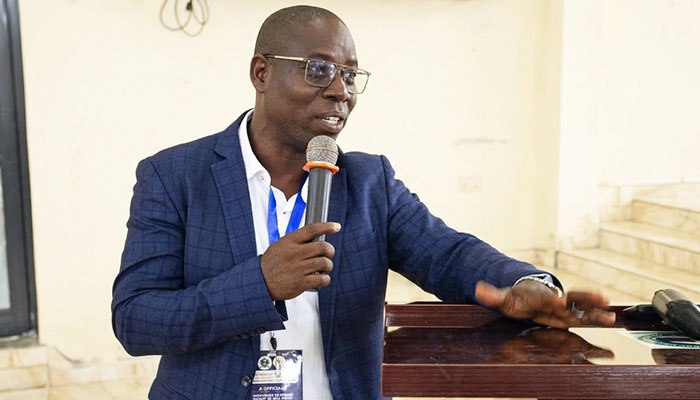
Speaking during the programme, the Head of Department, Dr. Robert Nnachi, emphasised the importance of the initiative in enhancing the economic potential of the university and equipping participants with the knowledge required to manage and grow their businesses.
He noted that the workshop would help participants appreciate the value of business activities and identify opportunities for economic advancement, particularly within the African business environment.
According to him, the programme marked the beginning of a journey towards building stronger entrepreneurial capacity, adding that sustained efforts would be made to support initiatives capable of promoting business development and improving economic prospects.
In his presentation on Basic Bookkeeping Records for Small Businesses, the first resource person, Dr. Isaac Ikpor, highlighted the importance of maintaining accurate financial records as a fundamental requirement for effective business management.
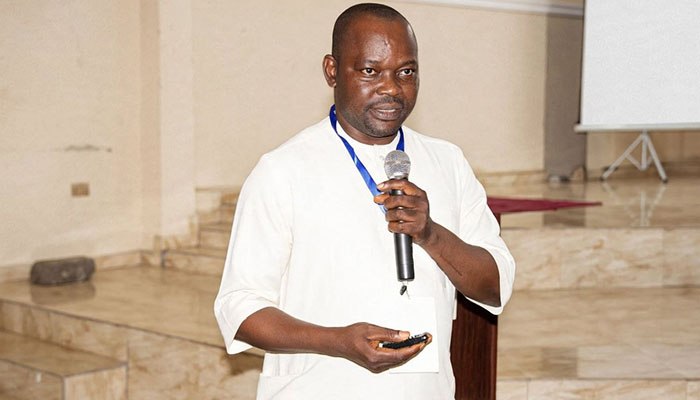
He explained that proper bookkeeping enables business owners to monitor income and expenditure, determine profits and losses, track debts and make informed financial decisions. He also emphasised that keeping reliable records helps entrepreneurs understand the financial position of their businesses and plan effectively for growth.
Dr. Ikpor encouraged participants to adopt consistent bookkeeping practices, stressing that even small businesses require organised financial records to remain accountable, assess performance and achieve long-term sustainability.
The second resource person, Mr. Asochukwu Chigozie, spoke on the Business Model Canvas, introducing participants to a practical framework for developing, evaluating and improving their business ideas.

He explained that the framework helps entrepreneurs identify their target customers, define the value their products or services offer, determine appropriate channels for reaching customers and establish sustainable revenue streams.
He further highlighted the importance of understanding customer needs, identifying key business activities and resources, building strategic partnerships and managing operational costs.
Mr. Chigozie noted that a clearly defined business model enables entrepreneurs to understand how their businesses create, deliver and capture value, thereby improving their capacity to compete and respond to changing market conditions.
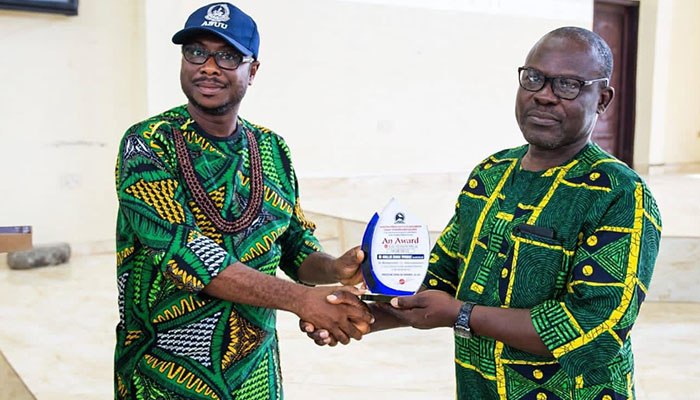
By strengthening participants’ bookkeeping, planning and decision-making skills, the workshop laid a practical foundation for small-business growth, resilience and job creation. These stronger enterprises can contribute to broader sustainable development by expanding economic opportunities, improving livelihoods and supporting more inclusive local economies. The programme also honoured some entrepreneurs for supporting small businesses, spotlighting the vital role of individuals and organisations in driving the growth, resilience and sustainability of small enterprises.