
The Department of History and Strategic Studies, Faculty of Arts, Alex Ekwueme Federal University Ndufu-Alike, Ebonyi State, has successfully hosted its maiden International Hybrid Conference.
Themed “Nigeria’s Security Dilemma and National Development: Reflections on Policy Missteps, Achievements and Their Domestic and International Implications”, the conference brought together scholars, security experts, policymakers, students, and development practitioners to interrogate Nigeria’s security challenges and chart pathways for sustainable national development.
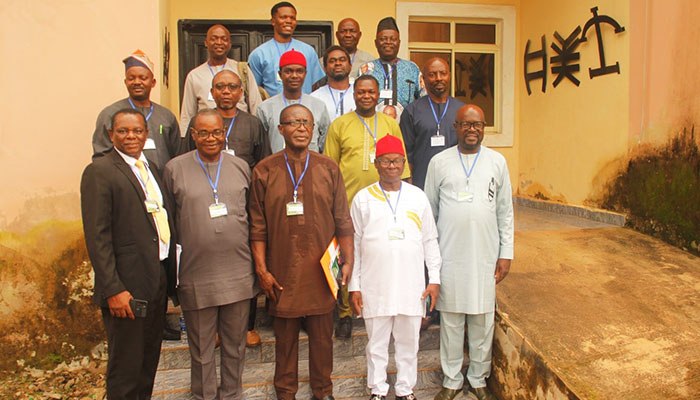
Declaring the conference open, the Vice-Chancellor, Professor Daniel Nwachukwu, represented by the Deputy Vice-Chancellor Academic, Professor Romanus Ejiaga, described the theme as timely. He noted that national development cannot thrive where lives and property are insecure, and urged participants to move beyond theory to propose actionable strategies for breaking Nigeria’s cycle of insecurity.
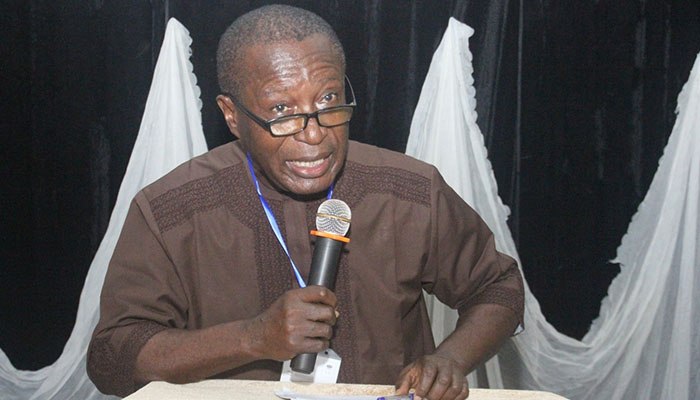
In his keynote address titled “Nigeria’s Security Dilemma: Historical Roots, Present Crises, And the International Stakes of a Nation at the Crossroads”, Professor Bright Alozie of Portland State University, USA, represented by Professor Donatus Ajaegbo of AE-FUNAI, traced contemporary insecurity to Nigeria’s colonial legacy, weak institutions, corruption, poverty, unemployment, and poor governance.
He stressed that military solutions alone are insufficient and advocated a multidimensional approach anchored on good governance, economic empowerment, youth development, intelligence reform, and stronger collaboration between government, academia, traditional institutions, and civil society.
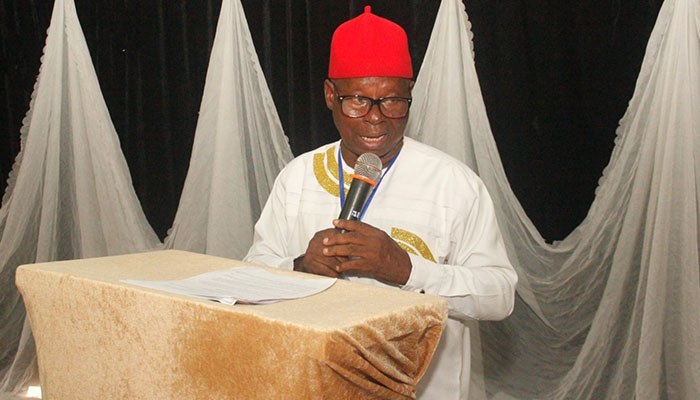
He further highlighted the regional and global implications of Nigeria’s instability for West Africa’s security architecture.
Also speaking, the Dean of the Faculty of Arts, Professor Arua Oko Omaka, commended the department for its academic vision and noted that the conference speaks directly to one of Nigeria’s most pressing challenges.
“Where insecurity persists, development suffers; where peace and security flourish, societies thrive,” he stated.

The Head of Department, Dr. Jude Eke, in his welcome address, said the conference was designed to fuse historical analysis, policy critique, and strategic foresight to inform national progress. He emphasized that security extends beyond the absence of conflict to include justice, good governance, and social inclusion.
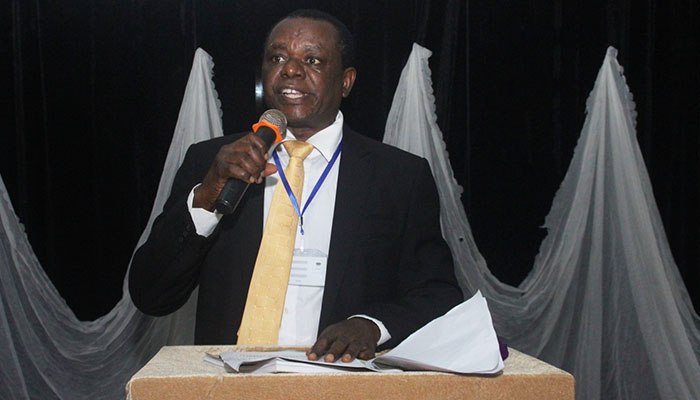
Participants called for comprehensive security reforms, improved intelligence gathering, stronger democratic institutions, enhanced community participation, and increased investment in education and youth empowerment as critical to addressing the root causes of insecurity.
The successful hosting of the conference reaffirms AE-FUNAI’s commitment to advancing scholarship, policy dialogue, and practical solutions to Nigeria’s contemporary challenge
