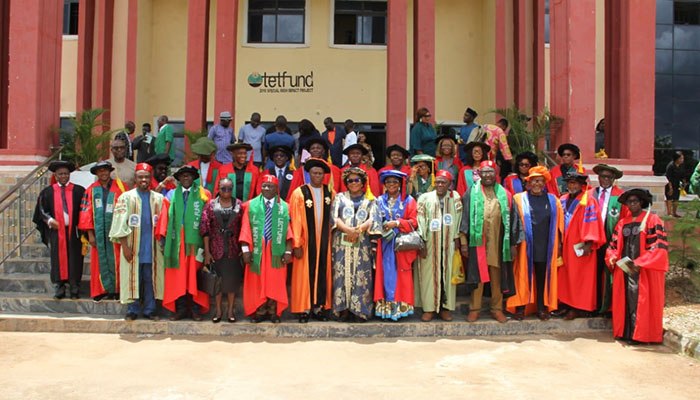
A Professor of Public Administration at Alex-Ekwueme Federal University Ndufu-Alike, Ebonyi State, Professor Fidelis Osinachi Okpata, has called for greater investment and sustainable human resource development to strengthen the effectiveness and performance of public organizations in Nigeria.
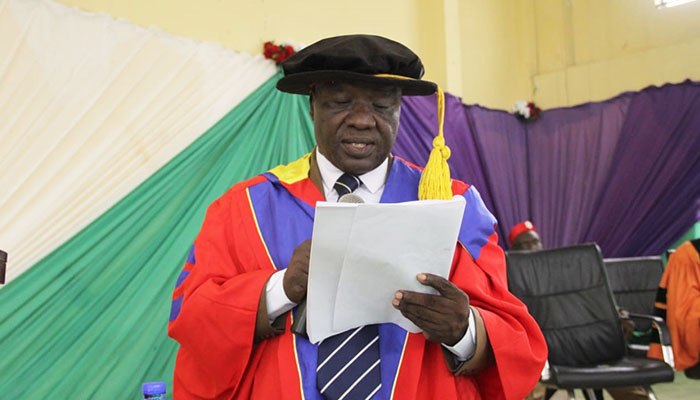
Prof. Okpata made the call while delivering the 11th Inaugural Lecture of the University titled “Triggers of Human Resource (HR) Development in Public Organizations in Nigeria: Addressing Critical Issues and Challenges” on Thursday, September 17, 2026, at the Senate Chamber of the University.
The inaugural lecturer described human resources as the driving force of every organization, noting that employees initiate and direct the use of other organizational resources. He stressed that technological advancement, digital transformation and changing organizational environment requires continuous acquisition of new knowledge, skills and adaptability.
According to him, effective human resource development is influenced by several triggers, including organizational needs assessment, employee performance appraisal, changes in the organizational environment and culture, personnel development records, global competition and standards, staff turnover, economic shifts, succession and career progression, new technologies, customer demands, growth, innovation and public-sector reforms.
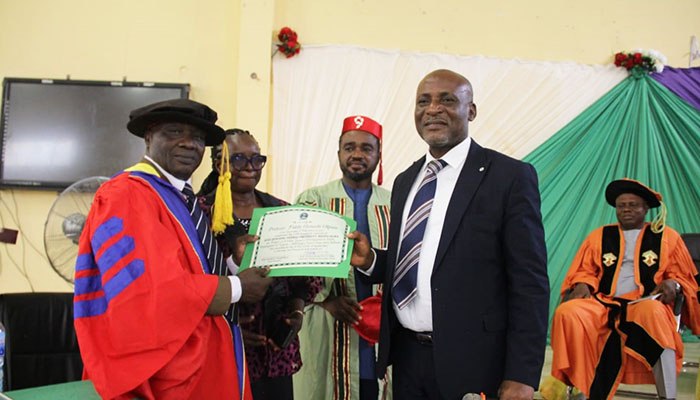
Prof. Okpata identified major critical issues confronting human resource development in public organizations to include employee skill gaps, low productivity, poor succession planning, weak employee engagement, inadequate funding, and employee retention, amongst others.
He further outlined eleven challenges limiting effective HR development, including inadequate management support, absence of human resource development strategies, resistance to change, low employee motivation, fear of job loss, budgetary constraints, politicization of human resource development, poor training design and evaluation, ineffective leadership, bureaucratic corruption and the underutilization of trained personnel.
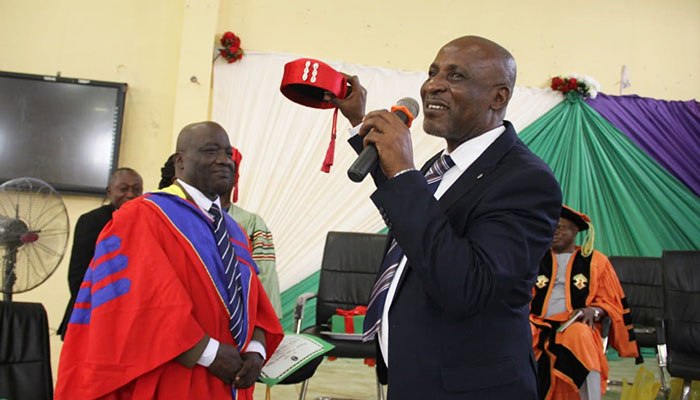
The professor warned that failure to properly manage these issues and challenges could weaken management capacity, organizational performance, workforce stability, governance and sustainable development, ultimately affecting service delivery and institutional effectiveness.
He recommended that public organizations should treat human resource development as a strategic management function and investment, strengthen merit-based appointments, confront corruption and over-politicization, promote digital competence and change management, improve the utilization of trained personnel, and provide adequate funding for staff development and welfare.
The academic don concluded that organizational effectiveness and sustainability depend largely on the strength, development and proper utilization of the workforce, stressing that “No Organization rises above the strength of its workforce.”
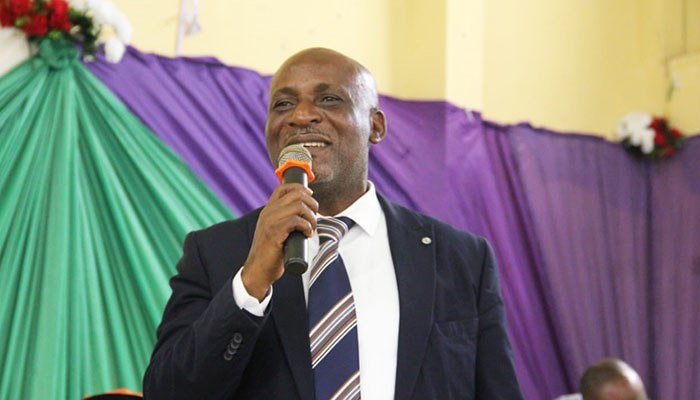
Earlier in his opening remarks, the Vice-Chancellor of the university, Professor Daniel Nwachukwu, advised public-sector managers and institutions to place human resource development at the centre of their administrative priorities, stressing that organization cannot achieve meaningful transformation without continuously developing and properly utilizing their workforce.
He encouraged members of the academic community to participate actively in future inaugural lectures, describing them as an important part of the university’s intellectual and scholarly development.