
The Alex Ekwueme Federal University Ndufu-Alike, Ikwo (AE-FUNAI), has intensified efforts to strengthen postgraduate education through capacity-building initiatives aimed at promoting ethical supervision, effective mentorship, quality research and timely completion of academic programmes.
This formed the focus of the 2025/2026 Workshop for Postgraduate Supervisors, organised recently by the University’s College of Postgraduate Studies at the Senate Chamber. The workshop brought together Deans, Heads of Departments, Professors and postgraduate supervisors to examine critical issues affecting postgraduate training, including academic misconduct, prolonged programme duration, supervisor-supervises relationships and the psychological well-being of supervisors and students.
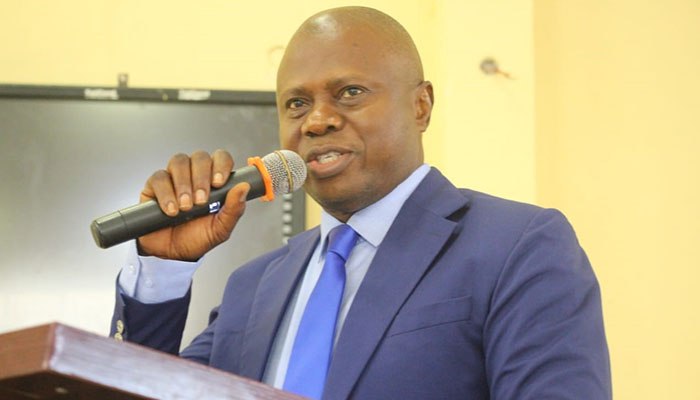
The Vice-Chancellor, Prof. Daniel Nwachukwu, represented by the Provost of the College, Prof. Nwabueze Elom, reiterated the Vice-Chancellor’s charge to supervisors to uphold the highest standards of professionalism, integrity and commitment in the discharge of their supervisory responsibilities.
Prof. Nwachukwu described postgraduate supervision as a critical component of the University’s academic and research development, noting that the quality of postgraduate research output depends significantly on the effectiveness of supervision. He stressed that supervisors must go beyond their traditional roles as academic advisers to become mentors, role models and custodians of academic integrity.
He further expressed concern over avoidable delays in postgraduate studies, emphasizing that no student should experience prolonged completion of a programme due to supervisory negligence or failure to provide timely feedback.
Reaffirming Management’s commitment to improving research infrastructure, strengthening supervisory support systems and promoting research collaboration, the Vice Chancellor urged participants to translate the knowledge acquired at the workshop into improved supervisory practices across their respective Faculties and Departments.
Earlier in his opening remarks, the Provost College of Post Graduate Studies, Prof. Nwabueze Elom described postgraduate supervision as a sacred responsibility that requires commitment, patience, professionalism and genuine interest in the academic and personal development of students.
He explained that the workshop was designed to address critical challenges in postgraduate supervision, particularly ethical misconduct, prolonged programme duration, the management of supervisor-supervises relationships and the mental health and well-being of both parties.
The Provost urged supervisors to maintain regular communication with their students, provide timely and constructive feedback, establish achievable research timelines and create an environment conducive to learning and mutual respect. He noted that the University’s objective was to produce graduates who are academically competent, ethically sound and equipped with relevant research skills to contribute meaningfully to national development.
He expressed appreciation to the Vice-Chancellor for his continued support in ensuring that the college maintains a competitive standard.
Delivering a lecture on “Postgraduate Supervision Ethics,” Prof. C.E.E. Ejike emphasized that ethical conduct must form the foundation of every supervisor-supervisee relationship.
He explained that supervisors have academic, moral and administrative responsibilities which must be discharged with honesty, fairness, confidentiality and accountability. He particularly cautioned against plagiarism, data falsification, ghost-writing and other forms of academic misconduct, stressing the importance of originality and proper acknowledgement of intellectual contributions.
Prof. Ejike further warned supervisors against exploiting students through inappropriate financial demands, personal favours or the assignment of responsibilities unrelated to their research. He emphasized that students must retain ownership of their research, while supervisors must respect professional boundaries and ensure that personal interests do not interfere with students’ academic progress.

While maintaining that ethical supervision benefits the student, the supervisor and the University by strengthening academic credibility and institutional reputation, he stressed that effective supervision extends beyond academic guidance to include mentorship in academic writing, conference presentations, scholarly publications and career development.
Speaking on “Healthy Living for Enhanced Postgraduate Supervision,” the Director, Centre for Advancement and Strategic Contacts, Dr. Edith Obande-Ogbuniya, highlighted the importance of physical, mental and emotional well-being in effective postgraduate supervision.

She observed that supervision can be demanding and requires supervisors to maintain good health to remain productive, patient and responsive to their students’ needs. She identified regular exercise, adequate sleep, balanced nutrition, routine medical check-ups and effective stress management as essential components of healthy living.
Dr. Obande-Ogbuniya also encouraged supervisors to develop emotional intelligence, exercise patience and avoid transferring personal frustrations to their supervises. She stressed that maintaining a healthy work-life balance would enhance their capacity to mentor students, provide sound guidance and offer the support required for successful academic outcomes.
In a presentation on “Progress Tracking and Timely Completion of Postgraduate Programmes,” Prof. Sunday Abonyi of the Centre for Educational Services identified poor research planning, infrequent supervisory meetings, delayed feedback, inadequate documentation and frequent changes of research topics as major factors contributing to prolonged postgraduate studies.

Emphasising the need for supervisors to establish clear expectations and realistic timelines from the beginning of each programme, Prof. Abonyi recommended breaking research activities into manageable stages, including proposal development, literature review, methodology, data collection, analysis, writing and defence.
He advocated regular supervisory meetings, proper documentation of discussions and decisions, periodic assessment of research progress and consistent communication with the College to ensure that emerging challenges are identified and addressed promptly.
Similarly, the Dean, Faculty of Social Sciences, Prof. Fabian Ugwu, in his presentation titled “Building Psychological Safety: Creating a Research Environment Where Failure Is Treated as a Learning Curve,” asserted the importance of creating a supportive academic environment where postgraduate students can explore ideas, learn from mistakes and develop intellectually without fear of humiliation or intimidation.
He observed that research is inherently experimental and involves uncertainties, setbacks and occasional failures. He therefore stressed that students should feel free to ask questions, acknowledge mistakes and explore alternative research approaches without fear of victimization.
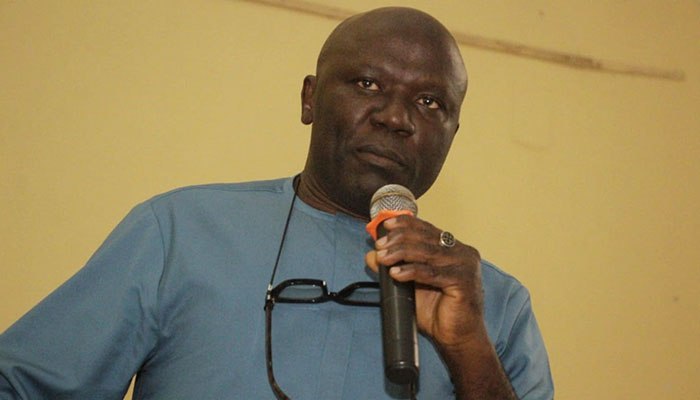
Prof. Ugwu encouraged supervisors to provide constructive feedback, communicate respectfully and distinguish between criticizing a student’s research work and criticizing the student as an individual. He pointed out that failed experiments, rejected drafts and other research setbacks should be regarded as opportunities for learning and improvement.
According to him, “a psychologically safe research environment promotes creativity, confidence, mutual trust and intellectual development, which are essential for producing independent and innovative researchers.”
The workshop reaffirmed AE-FUNAI’s commitment to promoting ethical postgraduate supervision, strengthening research standards and advancing academic excellence.
