
The School of Postgraduate Studies, Alex Ekwueme Federal University, Ndufu-Alike, Ebonyi State, has inducted its newly admitted students for the 2025/2026 academic session with a strong call to uphold academic integrity, ethics, discipline, and responsible use of technology in research.
The orientation programme, held on Tuesday, brought together the institution’s principal officers, senior academics, and new postgraduate students for a day of mentorship, policy briefing, and ethical formation aimed at preparing them for the rigours of advanced scholarship.
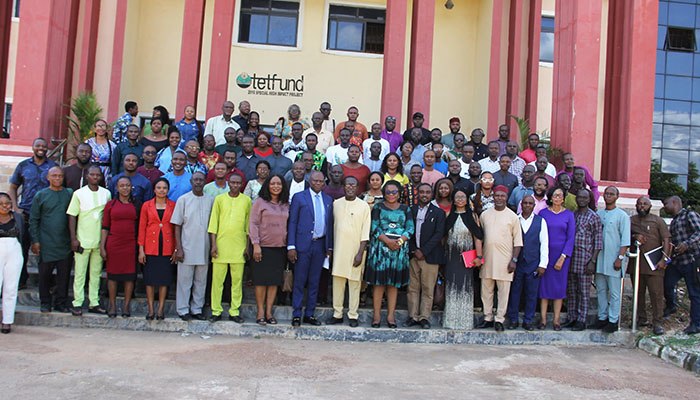
Declaring the orientation open, the Vice-Chancellor, Prof. Daniel Nwachukwu, described postgraduate study as a journey that demands discipline, diligence, and strict adherence to institutional rules and regulations.
“The guidance you receive today will shape your success throughout your programme. Discipline and respect for due process are non-negotiable for anyone seeking to earn a postgraduate degree at AE-FUNAI,” he stated.
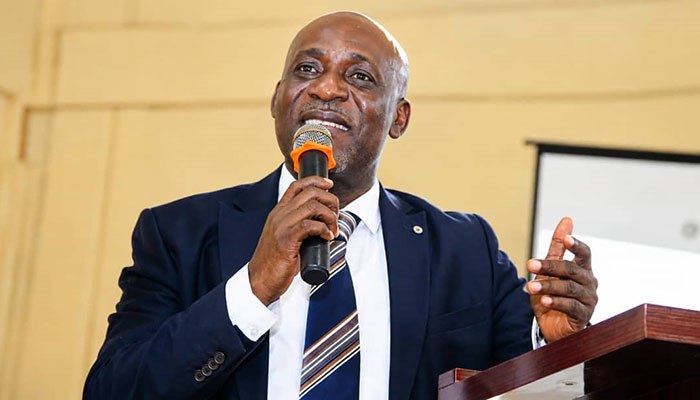
Prof. Nwachukwu charged the students to see themselves as ambassadors of the university’s culture of excellence. He encouraged them to combine hard work with strong ethical values, maintain cordial and professional relationships with their supervisors, and promptly reach out to the School’s management whenever challenges arise.
He reassured them of the University’s commitment to providing an enabling environment for quality research, mentorship, and academic growth.
In his address, the Provost of the School of Postgraduate Studies, Prof. Nwabueze Elom, congratulated the students on gaining admission into AE-FUNAI. He provided a comprehensive overview of the structure and operations of the School, taking the students through the key stages of postgraduate study: coursework, seminars, proposal defense, research, and thesis submission.
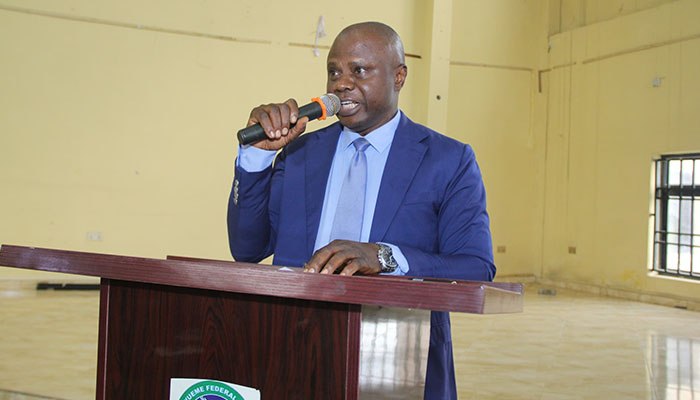
He urged the students to familiarize themselves early with the School’s handbook, guidelines, and timelines. He stressed the importance of regular interaction with departments and course advisers, and warned that procrastination remains a leading cause of programme extension and attrition.
Prof. Elom urged the new entrants of the School’s readiness to support them through mentorship, workshops, and periodic training, and charged them to represent AE-FUNAI creditably in their various fields of study.
Delivering the lead paper on “Ethics in Postgraduate Research,” Prof. Chukwunonso E.C.C. Ejike, described the sole legitimate purpose of research as the pursuit of truth for the good of humanity, animals, and the planet.
He warned that research misconduct: fabrication, falsification, and plagiarism, not only stalls knowledge production but also destroys the reputation of the researcher and their institution. Citing pressure to publish, graduate, and secure grants as drivers of unethical practices, he outlined safeguards across the research lifecycle, from clear research questions to truthful reporting and proper authorship.
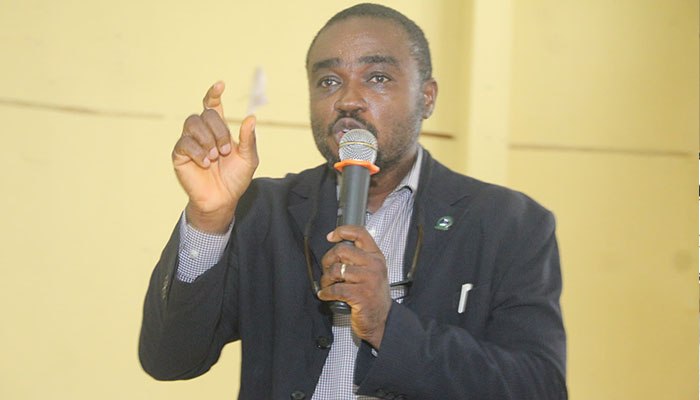
Prof. Ejike challenged the students with reflective questions on data integrity and reminded them that entire disciplines would not exist if earlier scholars had compromised on truth.
He concluded: “Earning a postgraduate degree is not just about acquiring a sheet of paper with nice words. It is about producing and depositing knowledge ethically for the benefit of society.”
Speaking on “Supervisor-Student Relationship: Building a Research Relationship that Produces Results,” Prof. Amobi Ekwe, the Director of Academic Planning, framed supervision as a two-way contract anchored on communication, trust, and responsibility.
He identified “seven relationship killers” including silence, missed deadlines without explanation, ghosting supervisors, and expecting the supervisor to do the work.
“A supervisor can point to the mountain; it is your duty to climb it,” he admonished.
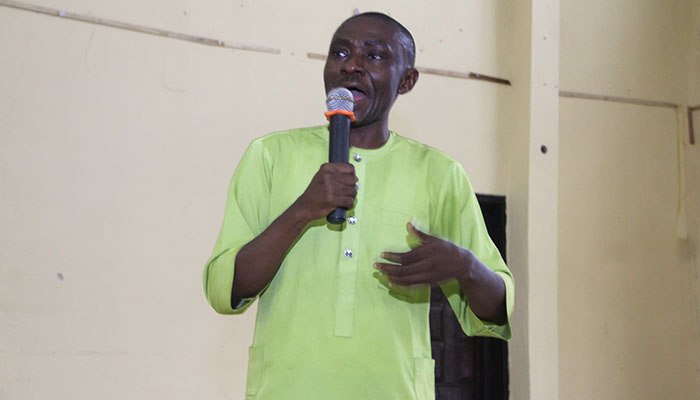
He urged students to attend meetings prepared, communicate early, and receive feedback as an invitation to strengthen their arguments. His “ten golden rules” included owning one’s research, meeting deadlines, and protecting research integrity.
Prof. Rita Alo, the Director of ICT in her presentation noted that Artificial Intelligence and ICT have moved from support tools to strategic drivers of knowledge creation. She urged students to develop disciplinary depth alongside digital competence, describing modern research as interdisciplinary, data-driven, and innovation-oriented.
She introduced practical AI tools for literature review, data analysis, and citation management such as Consensus, Elicit, Research Rabbit, and NotebookLM. However, she cautioned that AI must remain an assistant, not a substitute for scholarly thinking. She called for responsible use: verifying AI outputs, protecting confidential data, and maintaining originality.

“The graduate of the future must be deep in knowledge, strong in character, fluent in technology, and prepared to create opportunities. Use AI wisely, because if you refuse to think, you will stink,” she concluded.
The orientation ended with a renewed commitment by the University Management to support postgraduate students through structured mentorship, digital infrastructure, and a culture of integrity, while also reiterating its vision of producing graduates who are not only academically sound but also ethically grounded and technologically competent to solve societal problems and contribute to national development.
