
A Professor of Foreign Languages at Alex Ekwueme Federal University Ndufu-Alike, Ebonyi State, Prof. Nnenna Nwosu-Nworuh, has described multilingualism and functional literacy as blended skills essentialfor enhancing employability, effective communication and national development.
Nwosu-Nworuh stated this on Thursday, September 3, 2026, while delivering the university’s 10th Inaugural Lecture titled “Multilingualism and Functional Literacy: Hard, Soft or Blended Skills?” at the university’s Senate Chamber.
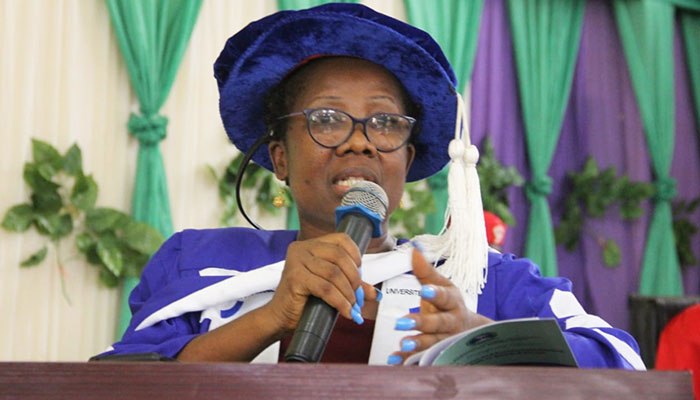
She explained that language combines the technical and measurable attributes of hard skills with interpersonal abilities such as communication, empathy, adaptability and cultural competence, adding that proficiency in another language is teachable and testable like a hard skill, but its effective application depends on human interaction, making it a blended skill.
The inaugural lecturer defined functional literacy as the ability to acquire sufficient reading, writing and numeracy skills to function effectively in society, noting that these skills enable individuals to function effectively in society. She advocated the adoption of the Common European Framework of Reference for Languages (CEFR) as a model for assessing proficiency in Nigerian languages.
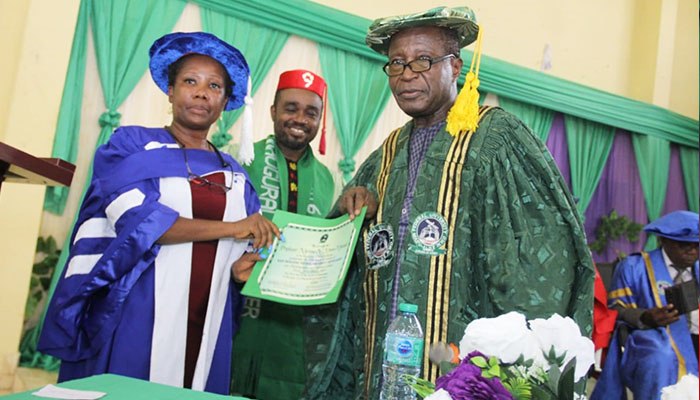
According to her, the standardized proficiency framework would help improve language teaching, assessment and certification while strengthening the employability of multilingual graduates.
Nwosu-Nworuh also highlighted the Linguascript project, an initiative aimed at improving digital representation of major Nigerian languages by developing keyboards that support Hausa, Igbo and Yoruba, stressing that the initiative would encourage writing in indigenous languages, promote their use in digital spaces and contribute to their modernization and preservation.
She urged parents, teachers and counsellors to identify students’ interests and strengths early and guide them towards disciplines that match their abilities rather than relying solely on examination performance, while calling on government and educational institutions to strengthen language programmes, introduce proficiency-based curricula, expand language immersion opportunities and support the development of indigenous-language digital tools.
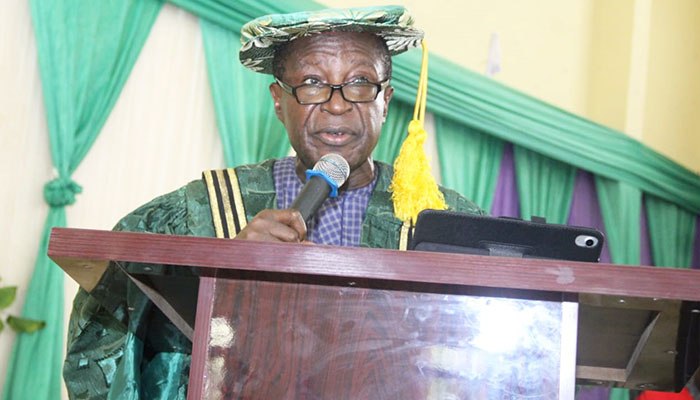
She further advocated greater collaboration between universities and French organizations to create opportunities for students to gain practical language experience and improve their career prospects.
The professor concluded that competence should be understood as the ability to apply knowledge and skills effectively to real-life situations, reiterating that multilingualism and functional literacy remain important tools for education, employment, communication and national development. She attributed that her journey into French language studies was shaped by personal experiences and a family aspiration for educational advancement, confirming that her academic career demonstrated the value of identifying and developing individual strengths.
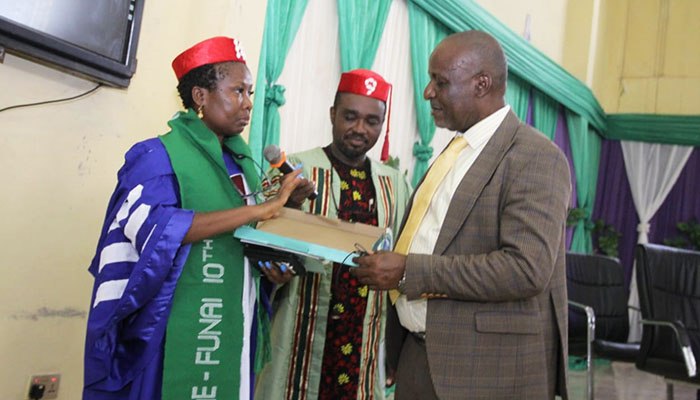
Earlier in his opening remarks, the Vice-Chancellor of the university, Professor Daniel Nwachukwu, described the lecture as timely, saying the university’s mandate goes beyond awarding degrees to producing graduates who are educated, functional, critical thinkers and capable of communicating and solving problems in multiple contexts and languages.
Nwachukwu stressed that “literacy without application is empty, and multilingualism without purpose is noise,” adding that AE-FUNAI is committed to an education the blends intellect with relevance, and scholarship with service to the society.
He urged academics and students to draw useful lessons from the lecture to improve policies and practices, even as he promised to accelerate the pace of inaugural lectures in the university to 50 before the end of the year.

